

The Maritime sector is one of the largest in the SW and is worth £4 billion to the regional economy, with higher than average salaries and skills that enable employees choice and to work around the globe, often while positively impacting the environment and climate change. Globally the sector is set to triple in size by 2050 to 3.5 trillion dollars. In the SW the sector is expanding also, for example in the next 10 years offshore wind is predicted to create 5,000 new varied jobs and on top of this a further 7,500 required to service the UK submarine replacement program. From working at sea or in a port, to working as a maritime lawyer, to cleaning the oceans of plastics or designing a superyacht, maritime is big business, adding more to the economy than both rail and aviation combined.
If you are interested in getting more advice contacting your local college is a good place to start, with our project partners who have specialist course covering the sector:
Petroc College in North Devon
This is a magazine designed to inspire anyone considering maritime by looking at the breadth of careers available in the South West, from marine manufacturing, building new boats, ships and submarines to protecting wildlife like marine mammals and ocean science. The magazine is aimed at older children and their parents and provides links to specific video content.
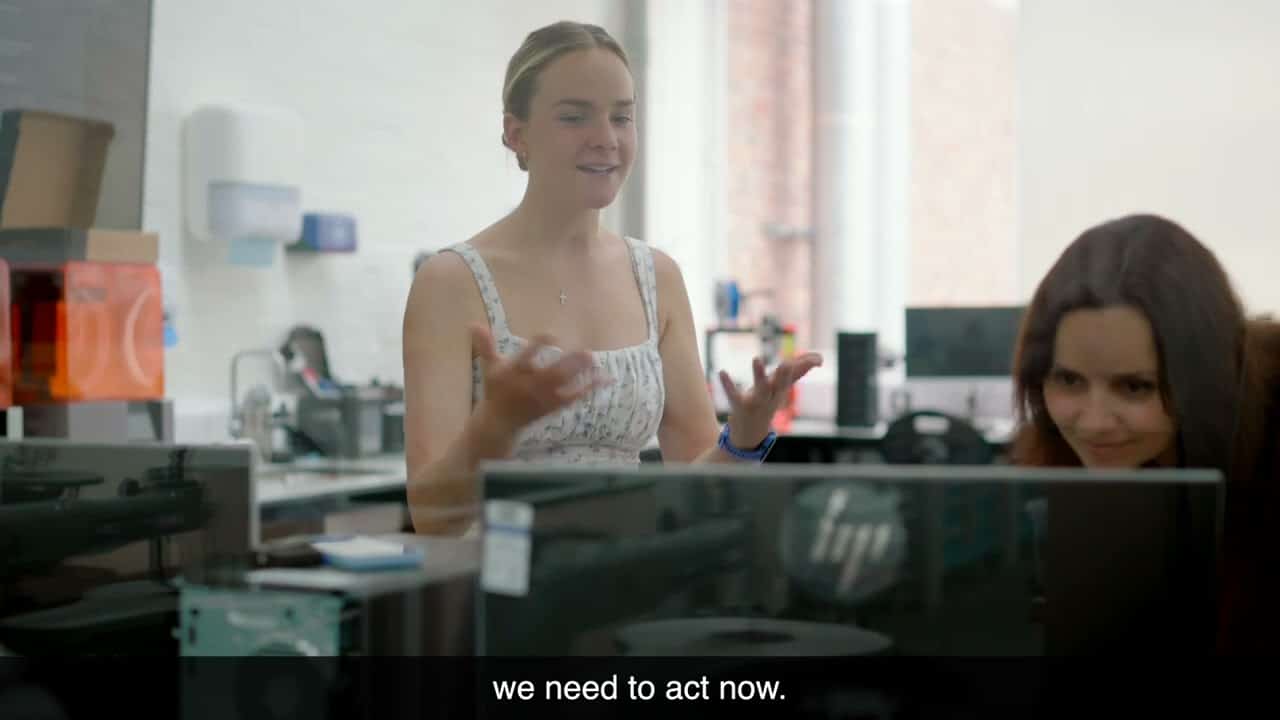
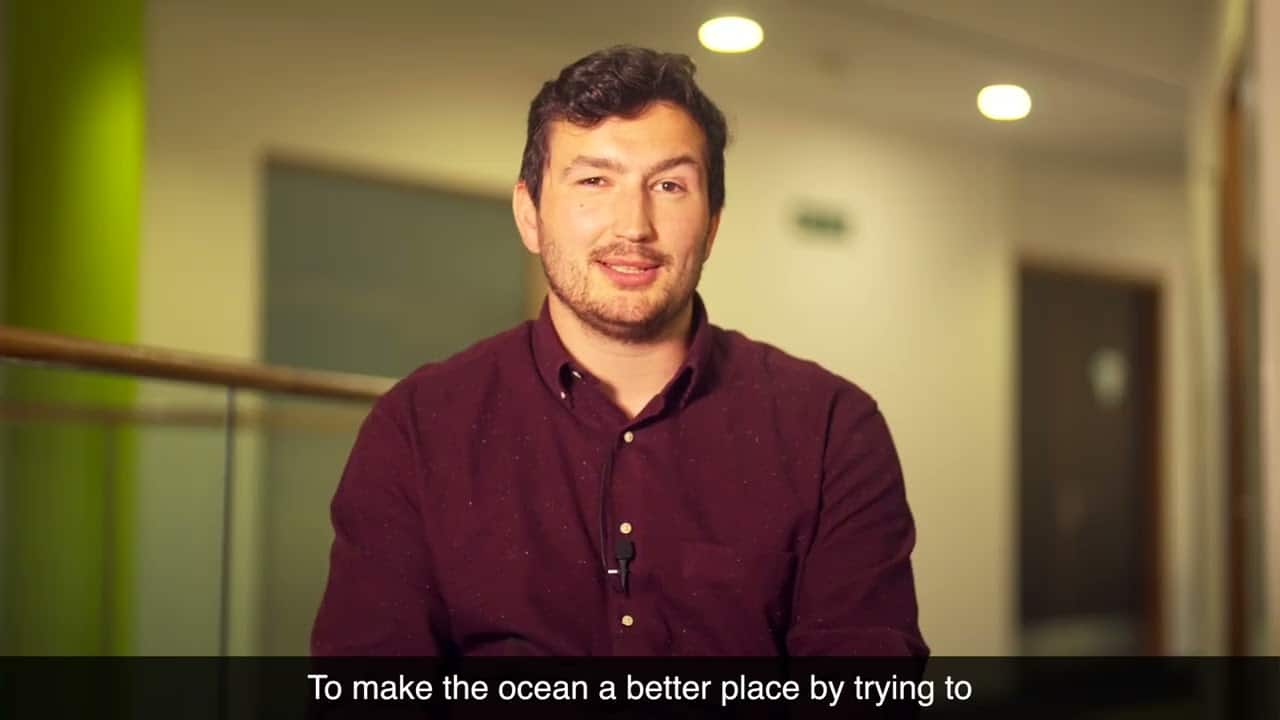
These videos give young people and career changers examples of people in fulfilling careers here in the South West. The videos are shown to young people in schools via SW careers hubs. This first series of six videos were funded by UK government through the Department for Transport Cluster Development Program.
If you would like a video to be created to promote careers in your company please contact sheldon.ryan@maritimeuksw.org
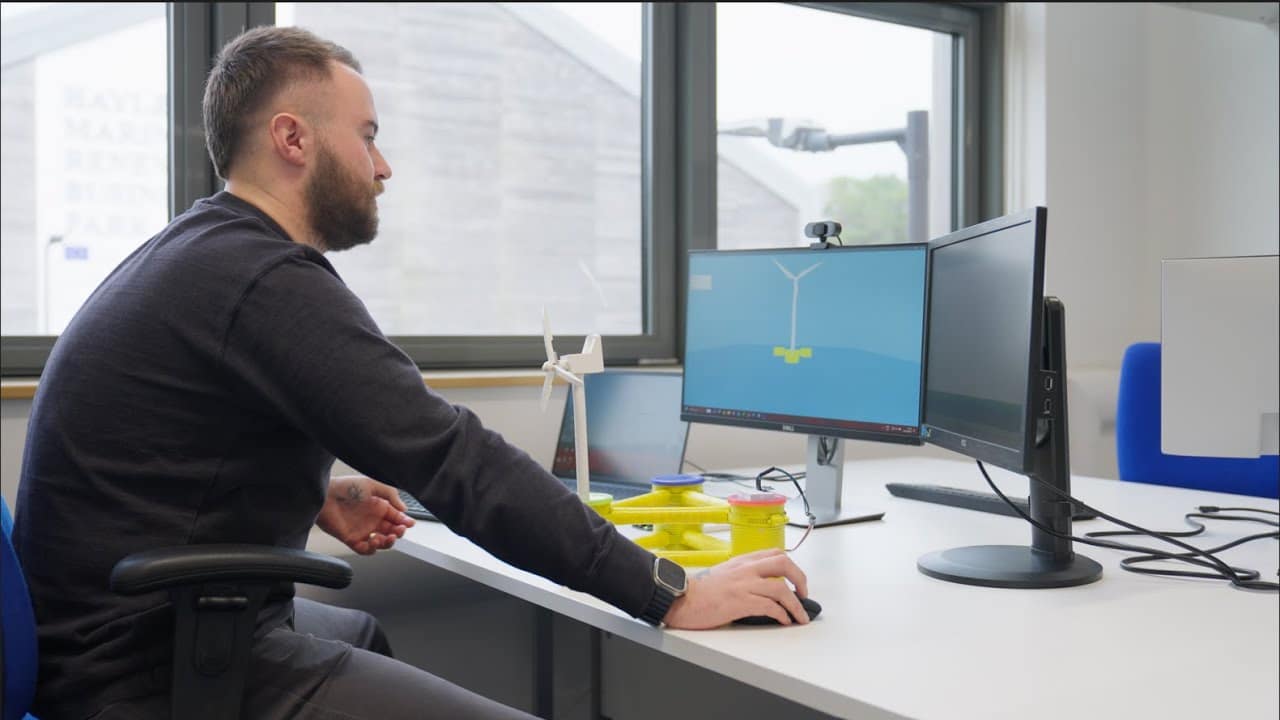
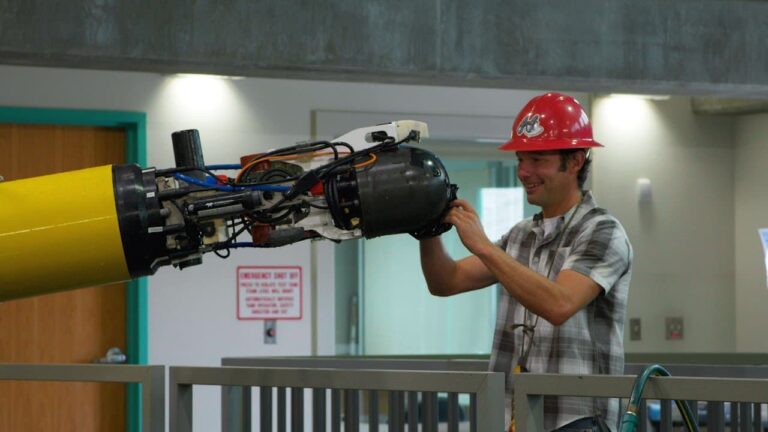
Ian is a chartered mechanical engineer with 17 years’ experience in the marine sector, working in wave and tidal energy, offshore wind, and new technology to reduce greenhouse gas emissions from ships. He runs his own business called Tope Ocean (named after a type of shark) who help to design and make solutions for the marine sector.
Route into Engineering: Ian took Maths, Art and Physics at A-level and then a Mechanical Engineering degree (with a focus on renewable energy and sustainability). Why Engineering? Ian wants to look after our oceans better and find ways to meet the challenges of global warming, pollution and decaying habitats with technology. He loves solving the problems that working with oceans bring.
If you have video content that you think should form part of this collection or would like a video made to cover careers in your company please email sheldon.ryan@maritimeuksw.org
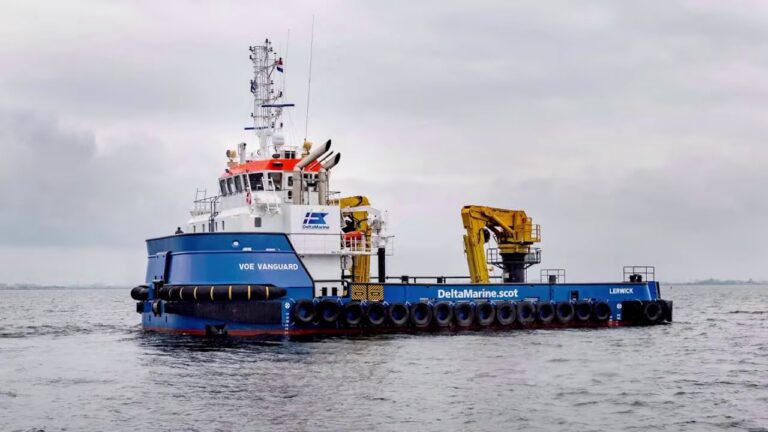
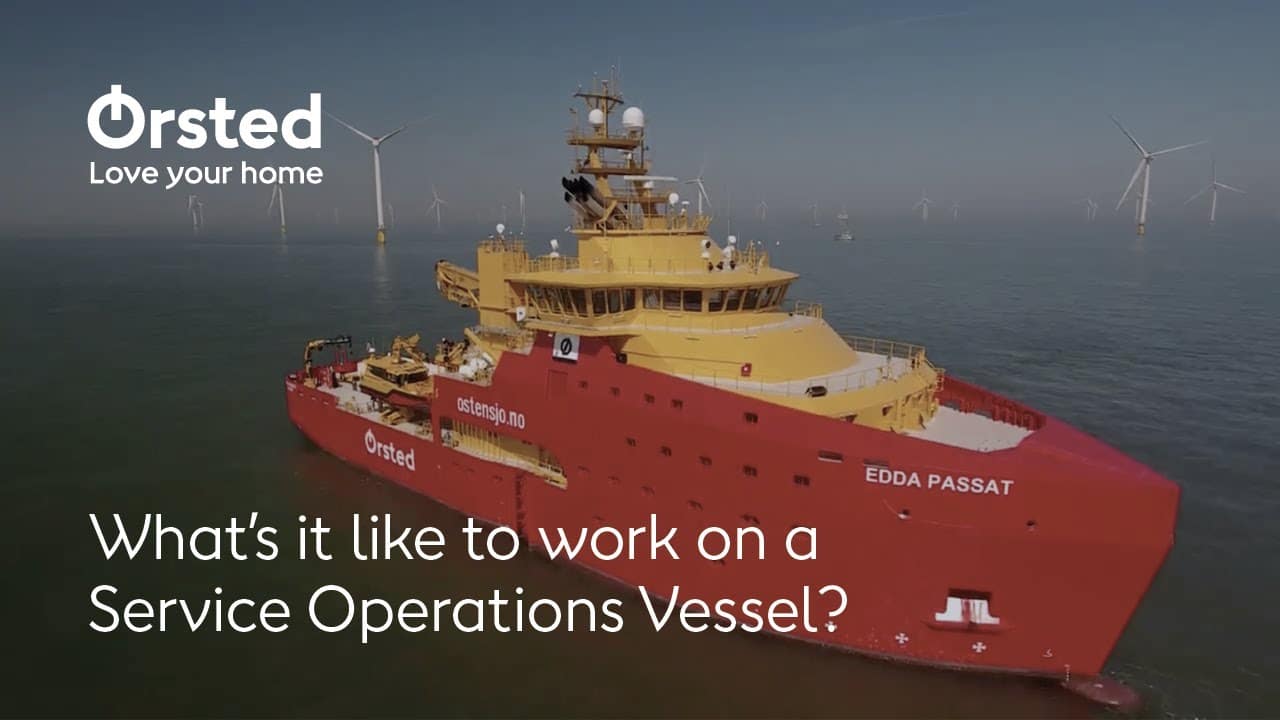
Workboats are any boat that isn’t carrying cargo. These often perform work around harbours and on offshore oil and gas platforms or on offshore wind turbines.
These are jobs including working in insurance or as lawyers or buying and selling ships
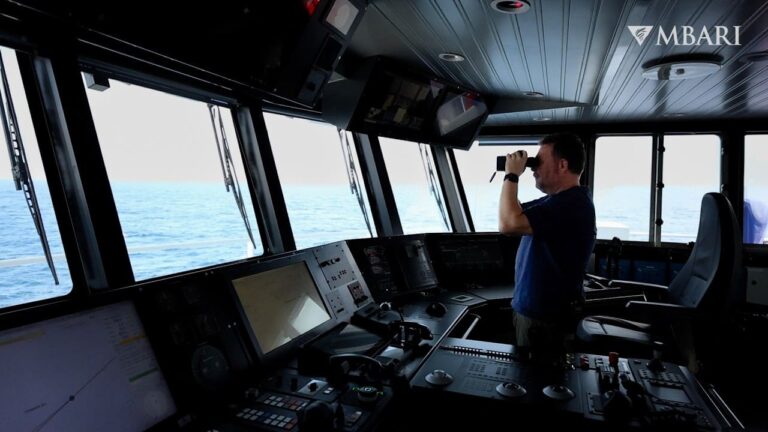
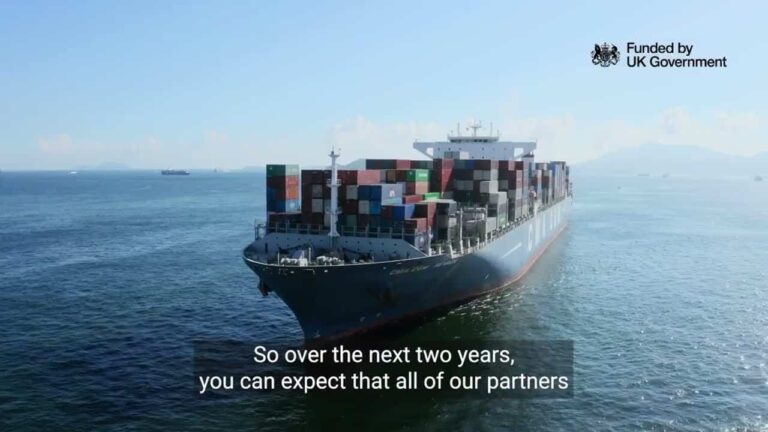
These are jobs on ships which travel from country to country and can involve a wide range of careers from being a ships captain to being an engineer or deck worker.
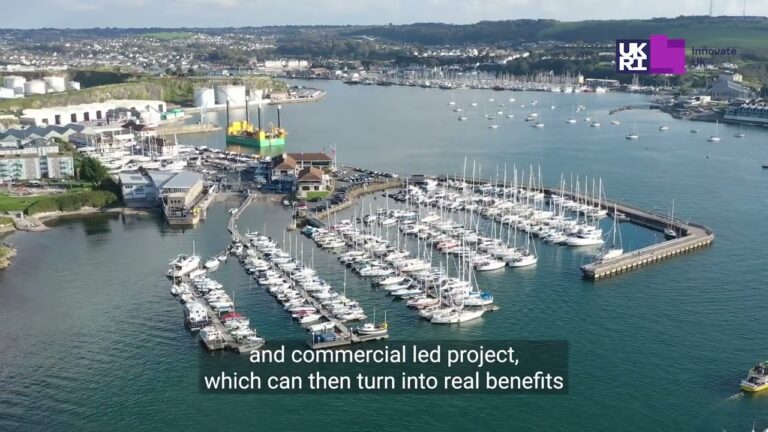
Ports are all around the South West and offer a wide range of work.
Princess Yachts (who make luxury yachts that sell for millions of pounds), Babcock (who maintain the navy’s ships and submarines), City College Plymouth and the University of Plymouth Maritime Careers
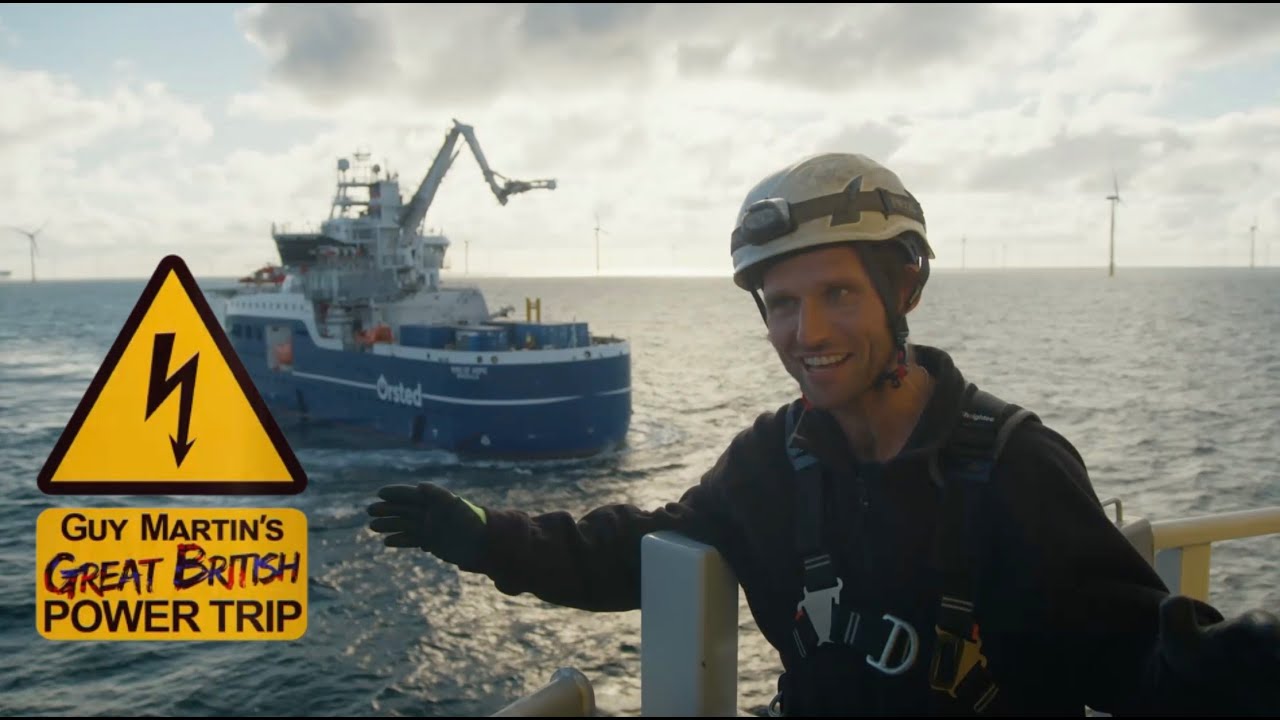
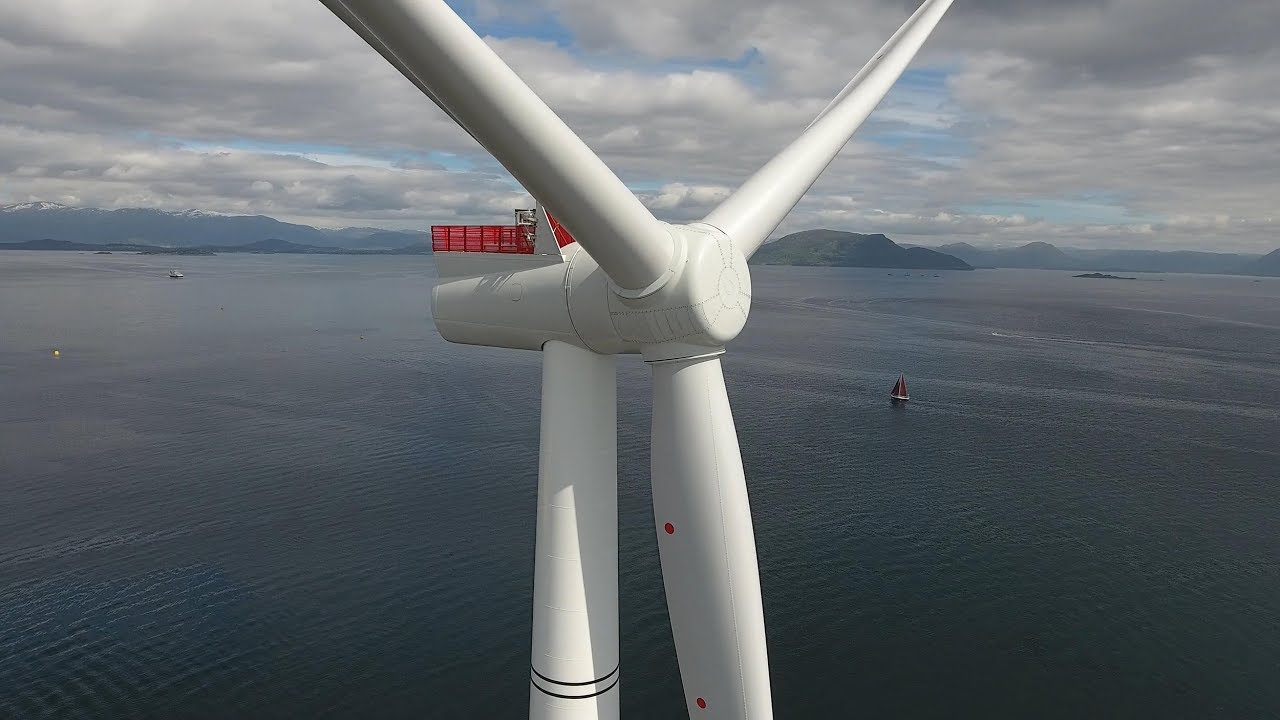
The UK is a world leader in offshore wind. Up until recently most of the offshore wind turbines in the UK have been in the North Sea so jobs would require you to travel but within the next 3-6 years we will start to see huge turbines the size of the Eiffel Tower with blades 100M long being put into the sea between North Devon and Cornwall and Wales. This is predicted to create 5,000 varied, new, well paid jobs. Once established in the industry you will build skills that could take you around the world working on similar projects or could allow you to stay in the South West in a well paid and interesting career where you are also doing a huge amount to tackle climate change.
All new ships will need to be zero carbon by 2050. This is a huge challenge but one that will clean our oceans and help reduce the impact of climate change. To do this ports will need to change as will the ships and boats that use them. Technologies are still in early stages so most of the videos we can offer show new technologies that are being developed. In 25 years time if you work in maritime you will be working with electric, methanol, hydrogen or ammonia fuels and a whole new industry – one in which you will have the skills!